
Monthly Archives: April 2020
-
7 Apr
 Read more »
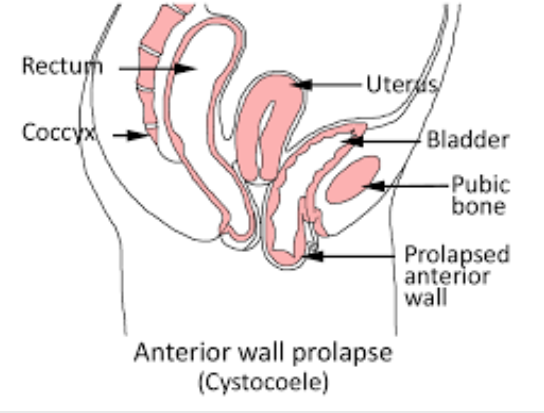
Bladder prolapse, also known as a cystocele or an anterior vaginal wall prolapse, occurs when the bladder pushes into the front wall of the vagina and is the most common form of pelvic organ prolapse due to there being less muscular support at the front of the pelvic floor.
Many women develop mild prolapse (particularly after pregnancy) and are unaware that they have it, this is termed non-symptomatic and it may never bother you. Some women can have a mild prolapse and feel very symptomatic.
Recent Posts
-
3 Steps to Leak Free Gym Sessions
November 22, 2023
-
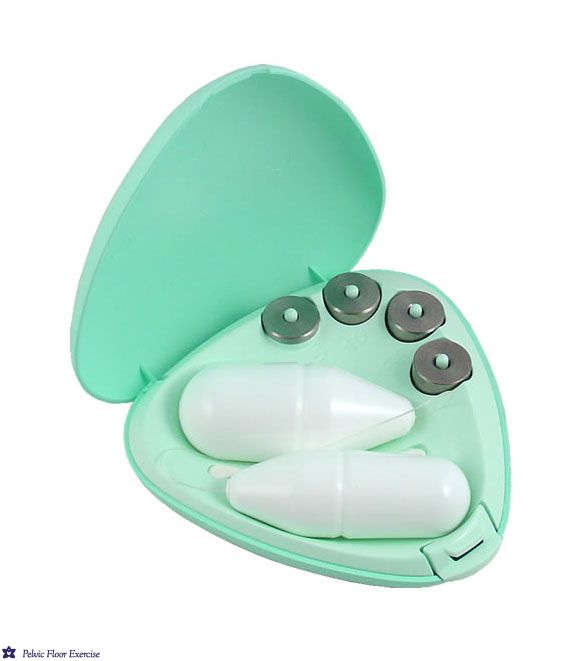
Aquaflex is no longer available - what are the alternatives?
 December 13, 2022
 -
Tattoos and TENS. Yes or No?
 March 11, 2022
 -
Toilet Posture: Do Your Kids Dangle?
 July 11, 2021
 -
Busting The Myths : Incontinence
 April 9, 2021