pelvic floor exercise, pelvic floor exercises, pelvic floor, pelvic floor strengthening
 

Incontinence and the Pelvic Floor


Stress incontinence, urge incontinence and how a stronger pelvic floor muscle can help

Urinary and fecal incontinence: stress, urge, and other types

Can pelvic floor exercises help women with stress incontinence?
Is pelvic floor exercising with devices even better?
What about other types of incontinence?
Which pelvic floor exercisers are most effective in overcoming incontinence?


Incontinence: stress, urge and other types
Urinary incontinence is more common than many realise, with about one woman in three over the age of 45 and one in eight 18-23 year olds experiencing urine leaks. Only one third of these women seek professional help. In later life, incontinence is a major contributing factor in the decisions of elderly Australians to seek residential care. A new US study suggests that 9% of women suffer from fecal incontinence (Nygaard & others).

Urinary stress incontinence (leaking small amounts of urine when sneezing, coughing, exercising or otherwise putting the pelvic floor under stress) is the commonest form of incontinence amongst Australian women.

Many women believe that it is a natural part of ageing but this is not true; it is not normal and no woman needs to tolerate it. There are options for treatment, the first and most important of which is pelvic floor exercising.

The other common type of incontinence is called urge incontinence, and some women experience and combination of both stress and urge incontinence. A stronger pelvic floor muscle has an important role to play in urge incontinence too.

In addition to stress incontinence and urge incontinence, there are several other types of incontinence, and many excellent sources of information about incontinence generally. To view these, visit our Links page, and follow some of the links in the incontinence section. One of the most important sources of help and information in Australia is the National Continence Helpline on 1800 33 00 66.
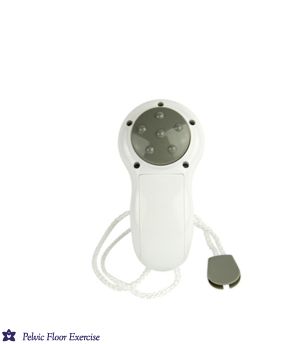
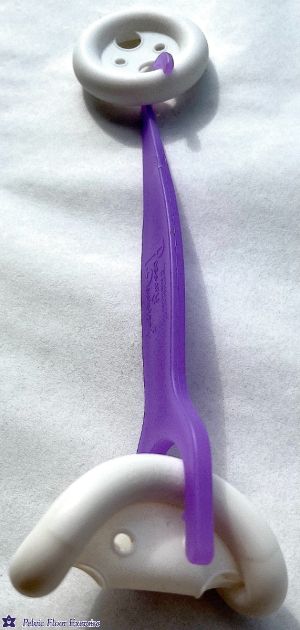

Can pelvic floor exercises help with stress incontinence?
Research
confirms the outstanding value of a sustained and regular program of pelvic floor exercise for women suffering from stress incontinence. 

Treatment guidelines state that any woman seeking professional help for stress incontinence should be recommended to try an exercise program first before resorting to other more invasive treatments or surgery. For many women, pelvic floor exercise - undertaken in a sustained and regular program - can largely, or even entirely, overcome the symptoms of stress incontinence.

The results show that pelvic floor exercises are an effective and low cost treatment for stress urinary incontinence rehabilitation. Moreno and others


Is exercising with pelvic floor devices even better?
YES!
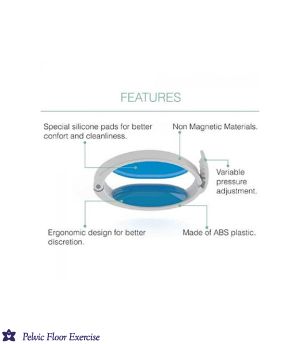
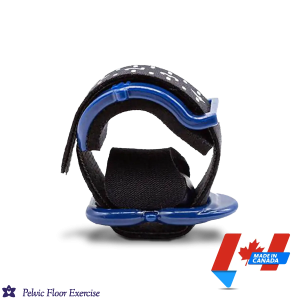
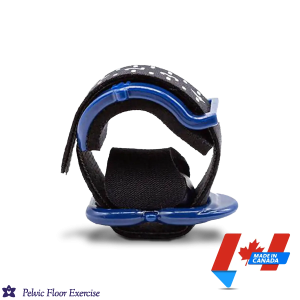
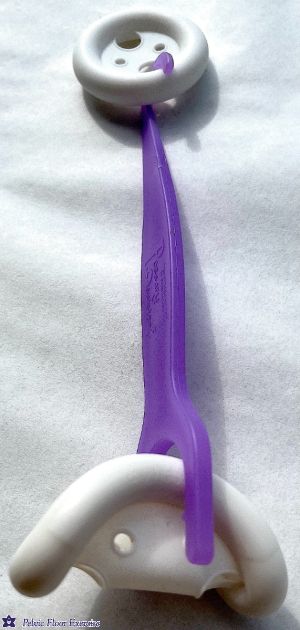
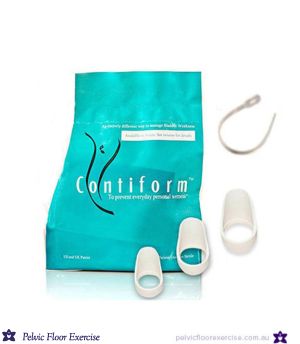
Although pelvic floor exercise works, research confirms that for many women exercising with a exerciser device is even better. Read Using Exercisers for more information on why you can achieve much better results with exercise devices.

Studies have looked at vaginal weights and balls :

Two groups - some just unassisted exercise and some with vaginal balls... Both groups showed improvement after 4 months, but the reduction of urinary leakage after four months of exercise in the group with vaginal balls was significantly better than the results in the group with pelvic floor muscle exercises alone. The study found the weighted vaginal balls to be a good alternative for training pelvic floor muscles in women with stress urinary incontinence. Arvonen and others

In a pilot study 6 women with stress urinary incontinence were treated with Geisha balls while performing pelvic floor muscle exercises at home half an hour a day for 12 weeks. Subjectively 4 patients were cured and 2 had improved. Before the treatment the 24-hour pad test was a mean 48 g and after the treatment a mean 10 g. There were no adverse effects. Glavind K.  

Home-based PFMEs and training with a (vaginal ball) proved to be equally effective as once-a-week supervised therapy Parkkinen and others

The .. vaginal cone (weight)is relatively easy to use at home and aids in pelvic floor muscle exercises.. . Consequently, the cone could be used as an alternative non-surgical treatment . in female stress urinary incontinence. Seo and others

Medical experts widely recommend vaginal cones for the treatment of stress incontinence. They are particularly useful as a stand-alone alternative for women who want to avoid having to do pelvic floor exercises.


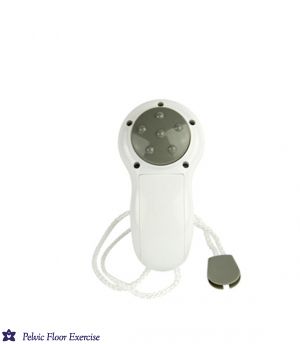
Bio-feedback devices have also allowed women to achieve greater improvements.

BF therapy resulted in a better subjective outcome and higher contraction pressures of the pelvic floor muscles. Pager and others

PFM exercises are effective for the treatment of USI; the biofeedback method revealed better PFM strength results with respect to digital palpation. Aksac B and others

This randomized controlled trial suggests that the home biofeedback method in PFT has a good success rate of 68.8%. Aukee and others

These data suggest that self-selected healthy women with symptoms of urge, stress, and mixed incontinence can improve their symptoms and lower their severity index with a minimal intervention, comprehensive, self-directed home biofeedback continence system. Smith DB and others

And electronic muscle stimulators have demonstrated positive outcomes for women suffering from stress and urge incontinence:

Transvaginal pelvic floor electrical stimulation was found to be a safe and effective therapy for genuine stress incontinence. Sand PK and others

Although nearly all studies of ES have been uncontrolled, a substantial body of "soft" data attests to the efficacy and safety of this technique. Apell RA


What about other types of incontinence?
Pelvic floor exercises are useful for all women, and everyone can benefit from strengthening the pelvic floor. A stronger pelvic floor is a factor in overcoming urge incontinence too, and products such as electronic muscle stimulators in particular, have also been shown to be very useful for women with urge incontinence. However successful treatment of urge and other types of urinary incontinence, and fecal incontinence, require more than an exercise program. Women suffering from urge incontinence, combined urge and stress, or fecal incontinence are advised to seek professional help from a gp or women's health physiotherapist.

If you are not sure what type of incontinence you have, or are not sure where to start, talk to your health practitioner, see a women's health physiotherapist or call the National Continence Helpline on 1800 33 00 66 for assistance.


Which pelvic floor exercisers are most effective in overcoming stress incontinence?
Research shows that that all of our exercise devices can help with stress incontinence, so it is a question of choosing the type of product that suits you best.

Are you already able to locate your pelvic floor muscle, and now want to build strength? Or do you need help to locate the muscle and know if you are squeezing correctly? Do you want a product you can use while you move around? Or are you able and willing to allocate the time each day to laying still while you exercise your pelvic floor?

Ask yourself these questions, read more at Choosing an Exerciser, then visit our Online Shop. To learn more about the benefits of each exerciser, read the more detailed information provided on each exerciser's own page.

Please contact us if you have any questions about exercisers, or choosing the best product for your situation.

Or seek advice for your specific needs from a health professional such as your gp, a women's health physiotherapist, or the National Continence Helpline on 1300 33 00 66.


"Pelvic floor exercise programs followed over a period of 3 to 6 months are.. the first thing to try, and offer improvement in about 60% of patients with stress incontinence, of whom 30% are...cured."
Dr Richard Millard, Head of Urology, Prince of Wales Hospital, Sydney. Urology Times, 1 April 2004

Incontinence can affect your overall fitness: Research has shown that women who experience stress urinary incontinence while exercising are more likely to give up their exercise program than women who don't.

  Back to Top
   
  About Us | Contact | Links | Site map | Practitioner Services | Subscribe Newsletter | Product FAQs |Order FAQs | Policies & Legals |Media | Provide Feedback | Customer Testimonials
© 2005-2008, PFE Pty Ltd ACN: 113 254 121